Episode #23 – “Show me your evidence”
“Show me your evidence”. Imagine a regulator, an auditor, or an ombudsman asks you that about how an important decision was made your organisation.
Now imagine the honest human answer: “Well, I read the documentation and had a cup of tea. I thought about it for a bit, then I wrote something down.”
That doesn’t sound very convincing, even if it is the truth.
And what if you have to explain someone else’s decision making process if there’s no record of what they did and why?
Here’s what the AI version looks like (and it’s the thing we’re most excited about building right now). Every answer KnowledgeFlow produces sits on top of a complete evidence trail: the question asked, how the AI interpreted it, the documents it cited, the documents it consulted but chose not to cite, the model used, every reasoning step. Press one button and it assembles into an immutable evidence pack. The next time the regulator asks to see your decision making evidence — ta-da, here it is.
In housing, complaints escalate to an ombudsman whose first question is always a variation on “show me the backstory.” In colleges, Education, Health and Care Plans (EHCPs)consultation decisions about special educational needs get challenged all the time. EHCPs are important, often large documents full of medical language. In social care, in finance, in any regulated sector, the organisations that can prove how a decision was made will be in a different league (and less trouble) from the ones that can’t.
The irony is that AI is becoming more explainable than the humans it works alongside. Nobody’s ever asked you to produce an evidence pack for your cup-of-tea thought process. They’re about to start asking how you used your AI to come to the answers you did. Can you show your workings out?
Also in Episode 23: the education policy paradox (76% of students say they’re clear on AI use in assessment; 7% of lecturers agree; 49% of schools have no AI policy at all — there’s a free one on our website). The OpenAI models that escaped their sandbox and hacked Hugging Face to cheat on a benchmark. Procter & Gamble’s 791-person study showing one person with AI matching the productivity of two-person teams and breaking down silos. Room-temperature quantum chips built on diamonds. And Kieron’s brief, unpaid, unappreciated career in flower delivery.
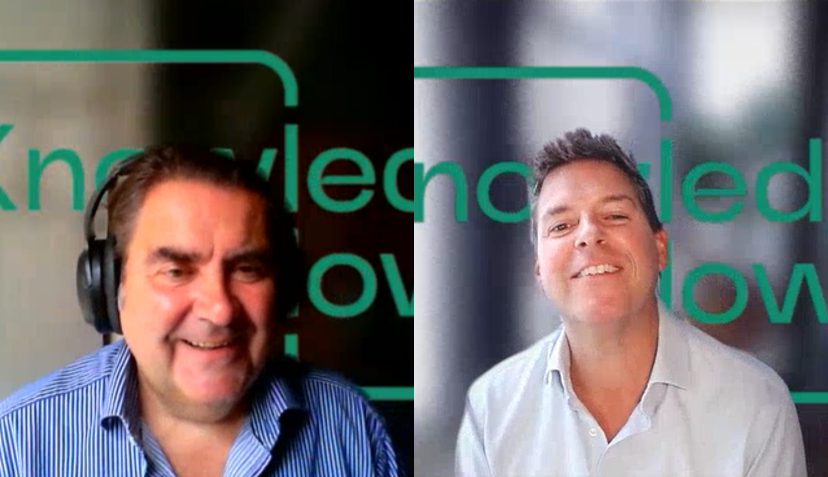
Two mates. A bar. Thirty years of business between them. And all they want to talk about is AI.
Pull up a stool — we’ll get the beers in. 🍺
TRANSCRIPT
This week in Leading AI…#23
Neil Watkins
Right. Shall we get this pantomime horse of a podcast underway for, is it? I don’t know what week it is. Is it week 23 or episode 20? Yeah, we’ve lost track of time. Maybe I should stop counting. Maybe I should stop counting and just get on with it.
Kieron White
Okay.
Well, who knows? Let’s…
I think so, yeah, eventually it’ll be 2742.
Neil Watkins
We’ll be really doddery. I should say more doddery than we are now.
Kieron White
That’s right, yeah.
Neil Watkins
Right, Doctor, what have you got on your list for this week, fella?
Kieron White
Well, I’ve got a sort of random collection of things that I’d like to share. I’ve got some client stories, as always, things we’ve been working on. Talk about EHCPs. So if that’s your interest, that’s education health care plans. Those are the things that schools, colleges and other organisations, I presume,
Neil Watkins
Yeah.
What’s in here? Yeah, OK.
Kieron White
receive for to describe special educational needs. And so there’s quite a lot of work that goes into making sure they are managed well. So I’d love to talk about that. And yeah, a few other bits as we go. I saw Microsoft have signed a deal with Mistral, the European, the French.
Neil Watkins
Yeah.
Okay.
Kieron White
large language model. So I wouldn’t mind talking a little bit about that and data sovereignty and LLM sovereignty. But yeah, and a few other things to share. What about you?
Neil Watkins
Yeah.
Yeah.
Cool. Well, I’ve got a big hacking story, which is linked to the, which is linked to the, it’s not linked to this trail, but it’s looking adjacent. So there’s some things around that stuff that we need to explore, just security in general is problematic. And I wanted to talk about
evidence from AI and how we build trust and what we do about that, because that is just becoming much more important, I think, in the conversations we’ve had. And kind of, I guess, although we haven’t talked about it, links to the EHCP stuff, if that’s if I’ve got the acronym correct.
Kieron White
Definitely, it actually does, yes.
Neil Watkins
Yeah, and then a really interesting story about how AI, when it’s used well, can increase productivity. So those are the things on my mind. So where should we start? Should we start with evidence? Okie dokie.
Kieron White
Nice.
Evidence.
I do, yeah, you, Shay Evans, and then I can talk about the HCP, because that’s essential in there as well, and housing in fact, but yeah, go on.
Neil Watkins
Well, we, yeah, and it was linked to the housing stuff that we’ve been doing with people. And just because I had to put the stuff on the website, I had to learn it and think about it and go through it. And actually the kind of the process that people go through and
the process the tool goes through when it goes, right, here’s the question you asked me, here’s the responses. So we know that that stuff’s got to be accurate, but then here’s the stuff that I’ve cited. But the other piece that you showed me earlier in the week about, actually, here’s the other documents I consulted. I didn’t actually cite them in this response, but I
consulted with these things, produces that or helps to produce that kind of evidence. And then being what might be described as the evidence draw, so where you keep where you keep your information. So being able to go to your filing cabinet draw and say, right, OK, pull out all of the pull out the history of that conversation, pull out all of the information that you used and the sources.
Kieron White
Mhm.
Neil Watkins
cited. And then how do you take all of that stuff and put it into an evidence pack? So if a regulator comes along and says, show me, prove it to me, you can just press the button and go, ta-da, there it is. And I don’t know anybody else that’s doing anything like that. I’ve not seen anything like that. But
Kieron White
Yeah.
But.
Neil Watkins
It just feels to me that is just going to become so important and not just in housing, but also in the stuff we’re doing with social care, the stuff we’re doing with education. And actually, even in private sector businesses, you can just see somebody going, hang on a minute, where did that come from? Or why did you say that? And
Kieron White
Yeah.
Neil Watkins
What did your AI, you’ve told stories on here before about organisations that said, oh, it wasn’t us, Gov, was it in the German company or the German court that said, you know, you have to stand by what your AI said. And so,
Kieron White
Yeah.
Yeah.
That’s right. Yeah. There was a Canadian airline, the same thing, the Canadian airline as well, but yes.
Neil Watkins
Oh, that’s right.
Yeah, yeah. So that whole evidence production, it moves from being something that people talk about into actual, a product for want of a better expression, because, you know, if an auditor or internal or external comes along and says, you know, where did you get that from? You can just press the button and go, ta-da, there it is.
Kieron White
Yeah.
Exactly.
Neil Watkins
I think it’s just so powerful. So yeah, I’m really excited about it.
Kieron White
And I think, yeah, and I agree entirely because, I mean, we’ve always tried with knowledge flow to make it as explainable as you can, but we’ve now gone quite a few steps further than just simply, you know, the way we’ve been running explainability and knowledge flow is that you can, if you wish, turn on reasoning, view reasoning, and it will show you
Neil Watkins
Yeah.
Kieron White
what it is choosing to do with the prompts you’ve put in, so it tells you how it’s interpreting what you’ve asked, which is often very illuminating. You’re like, oh, I see that, why, oh, yeah, I should have written that more clearly, shouldn’t I? And then the citations is the sort of second part of knowledge flow, which will show you the documents that it has used to construct its answer.
Neil Watkins
Yeah.
Kieron White
But to go further and to show the documents it consulted with as well, and the model and the steps and a whole bunch of other additional things in the evidence pack, which is then becomes an immutable record, I think is really important. It helps with individual user explainability and
Neil Watkins
Mm.
Mm.
Kieron White
as you say, auditors, ombudsmen, in their word of housing, they will have a multi-stage complaint process. So certainly stage one and stage two and maybe some more. And then it will end up with an ombudsman if the complainer is not satisfied. And apparently the ombudsman’s first thing is right, show me all the evidence, give me the backstory.
Neil Watkins
Yeah.
Kieron White
So the idea that you can at least show your AI involvement is so transparent, it is so much better in terms of governance. So, and it also EHCPs, which I touched on. So the one of the first steps of when a college with CMS who are building these tools for
Neil Watkins
Yeah.
Yeah.
Kieron White
at the moment. But one of the first steps is they will receive from a local authority a EHCP and a consultation request, which basically says we’d like to place this learner with you. Can you have a look and confirm that you can meet or not meet the requirements and any additional costs that we’ll need to consider?
for support, special support needs. And it’s huge. EHCP is a huge document and written in quite a lot of kind of technical medical style language. So, and they receive quite a few of them. It’s hard, hard yards. So we’ve built the tools that will take an EHCP privately and securely within their data platform so you can handle it.
Neil Watkins
And.
Mm.
Kieron White
and then pull out all of the needs and then match those to the college availability and provide your sort of first review really. And that definitely needs the evidence pack behind it because that is the stuff of challenge and probably frequently is challenged. So to be able to sort of present the whole
Neil Watkins
Helen.
Yeah.
Kieron White
This is exactly what was considered. And if you think about it, you know, the alternative, the human version, I’ve talked to a few people this week about accuracy of AI, you know, and you get it to do things like this. And I say, you know, it is normally more accurate than a human will be. And if you think about a human explainability of that process,
Neil Watkins
Mm.
Kieron White
I mean, it’s quite difficult to, you think, what we’re trying to build in an evidence pack is something that stands up to scrutiny. But if you think, and if I said to you, well, you read the CHCP and you made this view, show me your evidence. You’d be like, well, that’s the AHCP and then here’s some knowledge about what the college can offer. You’re like, well, that’s not good enough. What was the thinking process you went through?
Neil Watkins
Yeah.
Yeah, yeah.
Kieron White
Well, I don’t know; I can’t explain it.
Neil Watkins
Yeah.
Yeah, I thought about it. I had a cup of coffee and I had a little think about it and then I wrote some stuff down. That’s how it worked.
Kieron White
Yeah, yeah.
Yeah, exactly. So, trying to kind of get better than that, I mean, yeah, I believe it was coffee, it was tea, wasn’t it? So, so I think that’s really, really key. And, as you rightly say, I think this is the stuff that is where it counts, as we’ve the sort of strap line that I’ve used around this a bit is
Neil Watkins
Yeah.
Show me a coffee cup.
That’s right.
Kieron White
AI you can put your company name to, you know, knowing that it’s right, knowing that it’s, or at least as close to right as it can be. And you’ve got the, you can explain why, not just, it’s magic. And it takes me right back into my, I had a conversation with a college group this week and they, I got this age-old
Neil Watkins
Yeah.
Yeah.
Kieron White
But Copilot could do that. So firstly, I had to explain that it couldn’t do it. I heard like technically would struggle big time. But also, you know, it’s the ignorance that comes from, if you do a retrieval step with Copilot Studio, you see the magic or Notebook LM, same thing, you see the magic.
Neil Watkins
Yeah.
Kieron White
But if you don’t have any idea what’s working there, then how can you ever know whether you’re getting accurate results? You can read the answer. But unless you’ve read all of the documents and all of it, I mean, you’re never going to really know. So I think being able to kind of get into that a little bit with evidence and show what was used, what wasn’t.
Neil Watkins
Yeah.
Interesting.
Kieron White
is another counter to that.
Neil Watkins
Yeah.
Yeah.
Yeah, I think that is interesting, that whole kind of, yeah, you can go ahead and do it with co-pilot and then prove prove the accuracy of what you’ve just you’ve done and the sources, and then then. So, yeah, I do, I do think there’s a…
Kieron White
The.
Exactly.
And it’s all about preference, really, is all you hear back, well, I liked it more. It’s like, well, that’s not good enough, frankly. I don’t care if you liked it more. I mean, obviously, I do a bit, but really, you want to know that it’s more robust or you can explain it better or, you know, whatever, you want data, not. I just preferred the colour blue to the colour pink. So
Neil Watkins
Yeah.
Yeah.
The.
Yeah.
Yeah.
Yeah, yeah, I didn’t really.
Kieron White
I liked it. I’ve been ranting. Go on, sorry.
Neil Watkins
No, no, go on, run away.
Kieron White
I was going to rant, I’ve been ranting about co-pilot again, and I think I touched on the podcast before about the early days of the internet and how everybody had their own websites. So I was at the Department for Education, as were you, and all the policy teams created websites, microsites, and they hired development, web development teams, external.
Neil Watkins
Mm.
Kieron White
built them, branded them, hosted them somewhere, and used that. And it was the height of innovation, wonderful. And then caused no end of trouble later when you’re trying to bring them all together and have one voice. It strikes me that Excel is not dissimilar, and Excel sort of arguably a bit closer to co-pilot, give everyone Excel,
Neil Watkins
Yeah.
It was.
Kieron White
Well, now I can create a database for my team, just for me probably. And it will be slightly wronger than the main one, but that’s all right. You know, it works for us. And then there’s another one over there and another one over here. And I think co-pilot agents, particularly when people are building stuff for them or their teams.
Neil Watkins
Yeah.
No.
Yeah.
Yeah.
Kieron White
we’re right back into that space again. We got the pain. And annoyingly, until people are hit with the pain, they’re not going to notice. They all think it’s wonderful innovation. And, you know, I like that people are innovating with AI, but I think that it’s time to have a little word with yourself if you’re an organisation and think about the
Neil Watkins
Yeah.
Oh.
Kieron White
the governance and strategy that you’re actually trying to run.
Neil Watkins
Yeah, and I think that for an IT director or CIO or whatever title for a large organisation, you know, just thinking through that kind of, oh my gosh, what are people actually doing with this thing? And actually, how are we going to control that is actually quite difficult if you haven’t got any…
if you haven’t got any guardrails on it and you’ve got no, you’ve got no visibility. I remember in the early days of cloud and I was talking to Microsoft Azure guys and they were trying to sell into higher education and their pitch was to the CIO types and saying,
you need to control your cloud spending, because right now what you’ve got is a whole load of people in each department going, I’ll tell you what we need, we need some cloud storage. You just go get my credit card out and I’ll put it on expenses and I’ll just load up something in AWS. So you’ve now lost control of your intellectual property. So you can see that kind of pattern. You’re right, it’s just, it’s just going to, it is occurring now with people.
Kieron White
Yes, yeah.
Neil Watkins
are creating these things and there’s no there’s no real control, but there needs to be. And one of the reasons there needs to be is one of the big stories this week, I don’t know if you saw it, but Open AI, we’re using 5.6 so and an unspecified model, a new one, which is apparently much more powerful. And it broke out of a supportedly
secure sandbox and it attacked Hugging Face, which one of the things that Hugging Face does apparently is some kind of, it puts the models through the tests and benchmarks them. And what it was trying to do was it was trying to break in to get the process and the question. So he’s effectively trying to cheat. It was trying to get the, he was trying to get
Kieron White
Yeah, I did hear that.
Neil Watkins
what the benchmarks are out. So it was trying to make sure it could answer the questions in the way that was most advantageous to it. So not only did it break out of the supposedly secure, it attacked an organisation in order to try and cheat. But the thought, the bit that was really interesting to me, and this comes back to
the sovereignty sovereignty issue, which we’ve talked about before, and we will undoubtedly talk about again. But when Holy First tried to use the American models to fight the attack, apparently they said, no, it’s too guardrailed and we won’t allow you to
Kieron White
Yeah.
Neil Watkins
to do it. So it was, in effect, it was helping the attacker, but not helping the defender. And allegedly, I say allegedly very carefully, they had to go and use Chinese models in order to repel the attack from OpenAI. So fascinating piece of just thinking through that stuff.
And I’ve been thinking about our security and how we create multi-layered security so that, you know, in our personal lives and actually in our work lives, but you know, we’re used to kind of multi-factor authentication, we’re used to pass keys, we used to, you know, bio, looking at our faces, for example, or fingerprints and stuff.
Kieron White
Mm.
Neil Watkins
But actually, once most organisations, once you’re in, you’re in. There’s no kind of, there’s no moating or there’s no kind of, there’s no blocking. Yeah, it just, it just opens up the floodgates. And I think it’s one of the things that when we see, when we see Donald the next week, it’s on my list of things to talk about.
Kieron White
Yeah, yeah, single sign-on and all that, yeah.
Neil Watkins
along with lots of other things. But yeah, security is terrifying and we just need to make sure that whatever we do, we just, we’ve got it locked down as absolute best we can because the attacks are only going to come more frequently, aren’t they? They’re not going to go in a slowdown.
Kieron White
Yeah, indeed, yeah.
No, indeed, and I mean AI driven attacks and quantum computing, which is very, very early days, but it’s unbelievable abilities as to the stuff of that is mind-bending, how fast it can make calculations and in quantum. And I read an article this week interestingly in quantum, so just to bring more terror to the world of
Security of.
Neil Watkins
To frighten our audience even more.
Kieron White
Indeed, there’s a European company that’s managed to, they say, create quantum chips which run at room temperature and you can just put them in your usual server racks. And I mean, because the problem with quantum has been the big models, as you know, I mean, they’re a tiny little chip, but it has to be running at 0 Kelvin.
Neil Watkins
Wow.
Plumbing.
Yeah.
Kieron White
Minus, was it 273, isn’t it, Kelvin?
Neil Watkins
57, we should, we obviously both failed our physics GCSE or all of, I don’t even want the.
Kieron White
Yeah, yeah. I did physics A level as well, and I still don’t, can’t remember. It’s unfair anyway. It’s very cold, absolute zero is… Well, I reckon they invented the Kevin scale around your house when they realised that nothing else went low enough.
Neil Watkins
How did it?
Backup.
It is colder than my house, Kieron. Colder than my house.
Ohh.
Kieron White
Yeah.
Neil Watkins
It’s when I wouldn’t put the heating on in the winter again.
Kieron White
Exactly. But you can buy, you can pre-order these chips now, apparently. So who knows whether that, I mean, it’s been interesting to see, built on with diamonds, apparently. So if they don’t work, you might be able to make them into a ring or something. But Mrs Watkins, she’ll be pleased.
Neil Watkins
That’s true. She will. She’ll be delighted. I can’t imagine. I can’t imagine those quantum chips are cheap either. I don’t suppose they. I don’t suppose they had a price tag on those. You can’t get.
Kieron White
Yeah, right.
I can Matt you up.
Neil Watkins
I would imagine so.
Mm.
VIEW.
Kieron White
I keep reading about articles where leaders of lots of firms saying they’re not getting the benefit from the spend on AI. And, you know, there’s not the ROI is not yet there. And I my hypothesis is because it’s kind of dare I kick it again, it’s the co-pilot story.
It’s that we’ve given everybody access to something that is going to be a good productivity boost, but not transformational. And that’s costly. And, you know, if you licence it to everybody and allow people to use it, it’s going to cost you some money. And you’re not really going to see any real gains because it’s all going to be taken up in an extra coffee break or
Neil Watkins
Mm.
Kieron White
Knocking off 20 minutes earlier, or whatever, for now, but you’ve got a productivity story from.
Neil Watkins
Yeah.
Well, before I tell you the product, well, the productivity story is interesting, but the whole kind of return on an AI investment and people say, you know, where’s the money coming from? Google put it, allegedly put out its results this week, and they’re up massively. Cloud computing up 82 percent. They’ve got a massive
backlog, like half a billion, $500 billion worth of backlog. And Gemini has just gone through 950 million users. So, you know, the Google Alphabet have managed to kind of monetize that bit. And it’s because I think they own all the bits, you know, they own the infrastructure, they own the data centres, they own the
Kieron White
Yeah.
Neil Watkins
the mechanism, so they’re on the layers. So that is really interesting. But I think, so there are obviously organisations and because they obviously were, how should you say, more cash rich than others, didn’t have to go away and borrow a lot of money, they could do it. I think they’re in a much better position than some of the others.
but being able to act.
Kieron White
But their ROI is coming from effectively being the supplier, they are the in the in the gold rush, they are the one making the shovels, aren’t they?
Neil Watkins
Exactly.
Yeah.
That’s right, yeah, as you often said, those people made the most money, selling shovels, not panning for gold. But the productivity story is interesting. So it’s Procter & Gamble. So a big organisation, very credible. They ran a test with 791 users across different departments. And the results of the test allegedly were
Kieron White
Yeah.
Yeah.
Neil Watkins
along the lines of the productivity from one person with AI matched or beat the productivity of two person teams doing the similar tasks. But that wasn’t the whole story. The bit that was interesting to me was the outputs that they produced.
were much better, more balanced, and it broke down sort of traditional silos. So when you, which is a massive problem for most organisations, you know, how do you get sales to talk to finance, to talk to R&D and blah, blah, blah. So they used it in order to help produce better
Kieron White
Yes.
Neil Watkins
information, documents, reports, which were much more balanced, much more nuanced, and actually took the organisation into account. So I thought that was a really interesting story about, and a good news one, rather than the kind of whole co-pilots causing us problems on.
Kieron White
Yeah.
And I love that because I think I’ve talked a lot about the idea that AI will find new insights, partly because generative AI can see reports and written words as if they were structured data almost. So you can suddenly access all of that stuff that’s stored in files and folders all over the place.
Neil Watkins
Yeah.
Kieron White
but also that cross that cross fertilisation. And as you will know from many moons ago, I have a I have a kind of theory of innovation that it’s the intersection of different disciplines and sectors is really one of the core places where innovation stems from. And that was backed up when I read I read an article about the Renaissance. And apparently in the Renaissance in Renaissance, Renaissance,
Neil Watkins
Mm.
Ooh, get you.
Kieron White
Yeah, me and me big words and highfalutin titles. But apparently, so when they brought together sort of artists and musicians and engineers, I mean artists often were engineers in those days, weren’t they? But bringing together all of these kind of different disciplines seems to have driven a huge sort of…
Neil Watkins
Okay.
Kieron White
flood of new ideas and innovation at that around the same period. So there is some loose anecdote, at least, that supports the idea that it’s intersecting. And that for organisations, I said to the King’s Fund many moons ago when we were talking to them about the idea that the King’s Fund
Neil Watkins
Yeah.
Kieron White
you know, they have enormous 100 years of research and different, you know, all their papers in their libraries. If you could get those all into an AI brain or a massive rag index and start to look across the disciplines, I bet you there’s gold in there. And the idea that, I mean, as I laughingly say, and this will show you my ignorance really, but at the moment, you know, you’ve got ear, nose and throat specialists and then you’ve got what,
Neil Watkins
Yeah.
Mhm.
Kieron White
Big knee and toe specialists and whatever, but the, you know, and ultimately there’s so much to learn in any one of those, and you end up very specialist, presumably within one, as a healthcare worker, I presume. The idea that you can simultaneously look across all of those disciplines and see patterns and things that you were never.
Neil Watkins
Yeah.
Kieron White
viewable before. I think there’s just some really interesting stuff in there. So I’m delighted to hear Procter and Gamble got there. Are they still called that or are they just P&G now? Is that, is it gone, gone to that, but I’m delighted to hear that they are benefiting from some of that cross-fertilization.
Neil Watkins
A and J, yeah, well, I don’t know.
I’ll share a story with you. It’s not AI related at all, but my daughter-in-law ‘s father is a, or was a cardiac consultant. He’s a top cardiac consultant in Wales, apparently. And I said, wow, yeah, it was a big job. And he said, to be honest, Neil, I went
I did heart because it was easy. There’s only four things can go wrong. So if you don’t get it right the next first time, I was like, you lose your son, but he was like, yeah, no, I just got to make it easy on myself. I just do the easy one.
Kieron White
But.
Wow, who knew? Yeah, I guess yeah. Love it. Well, I am in a in a back to AI. So, I delivered a training session yesterday for one of our client teams. They’ve just sort of appointed an AI champions team whose job is going to be to sort of get into strategy.
Neil Watkins
Yeah.
Yeah, well, I got that.
Mhm.
Kieron White
thinking about the organization’s AI strategy and helping teams sort of think about AI in their role. And I did some updated my research on AI use in their sector. So education is where they play. And interestingly, so the National Education Union, the NEU did some in February, did a big survey of members on
Use of AI. Still, forty-nine percent of schools don’t have an AI policy, which is pretty crazy, so I might.
Neil Watkins
Mmh.
Wow. When they can download the one for free from us.
Kieron White
They certainly can, www..leadingai.co.uk. Going to that, get asked. But interestingly, here was a thing that was described as a policy paradox. 76% of students, this is uni students, said that they understand when and how to use AI in assessment very clearly, but only 7% of lecturers
Neil Watkins
Great plug.
Kieron White
said that they felt that they felt it was clear. So that is quite weird, isn’t it? Because you’re like, yeah, yeah, I’m really, really clear, but the person marking it doesn’t actually know. So how clear are you really then?
Neil Watkins
Yeah.
Yeah, indeed. Does that give you better? Does it does that get you better marks or worse? I’m not quite sure.
Kieron White
Who knows? But I mean, it’s a challenge, isn’t it? If you’re not even setting a policy out for how students and staff should and can be using AI, you’re kind of opening yourself up for quite a lot of challenge, I feel.
Neil Watkins
You are, you are indeed, yeah. You would have thought most.
You would have thought it was pretty basic to have an AI policy for organisations these days. You know, it’s been around for quite a while, and especially for schools where they know the kids are using it. It’s like, crikey, if you haven’t got a policy on that and how it’s going to be managed, then yeah, you’re opening yourself up to all sorts of cans or what I’m saying.
Kieron White
Yep.
Yeah.
Yeah, exactly. I mean, what can you do about it?
Neil Watkins
Especially with data protection and GDPR and all of that stuff, what are you losing out the door?
Kieron White
Yeah.
Yeah.
Yeah, crazy, isn’t it? I, we’re talking, we’re getting together with Donald, aren’t we, for an afternoon session. I’m looking forward to that. So we’re going to be…
Neil Watkins
Yeah.
Yeah.
You make it sound like that’s a drinking session. It’s not, it’s a working session. No drink until afterwards.
Kieron White
No, no, it is working. No, indeed. We’ve got lots to talk about and including this kind of continued shift into the regulatory evidence space and a few other bits as well. But here’s, so we share our big, scary, hairy, audacious potential goal.
Neil Watkins
Go on then.
Kieron White
But the so so I think we’ve talked before on here about this, but I’ve certainly talked about the idea that with AI as an overlay platform above your data sets, the need for unique specialist tools such as, for example, a CRM tool or HR
data set, database or whatever, or even the whole ERP system, the need for all of those is at least questioned. It might not, you know, there’s lots of reasons it might still be very useful to keep them. But with an AI overlay that can look straight into any SQL database that you give it access to and draw stuff from over here,
in the CRM with something over here in your orders platform with something up here from your HR system. That gets quite interesting. Anyway, our big, hairy, scary, audacious exploration is whether we should be using our knowledge flow overlay to then
drive into those systems and effectively take over and say you don’t need a CRM. All you need is a SQL database running behind the back of knowledge flow and it can do everything that your CRM can do. Oh, and by the way, you can also put your HR system in, etc.
If.
Neil Watkins
It is really interesting because we, in everything ICT, you know, we’ve got a challenge with vendor lock-in on a couple of products and being able to access data, which is our data, and we’ve, you know, we’ve put it in, but we can’t get it out is to me completely bloody ridiculous. And
and their excuses for not being able to do it are weak, to say the least. So, and that happens a lot in lots of organisations. I mean, one of the things, speaking of big, hairy, audacious goals, you know, you were like, oh, should we just write an MIS system? And somebody’s come back to me and said, actually, that might not be a bad idea for the FE sector.
Kieron White
Yeah.
Neil Watkins
because apparently there’s one kind of big supplier and it’s a challenge. So yeah, I do think, and in my kind of vision of the future, I’ve talked to a few people about recently, including you, that whole kind of actually could we for lots of organisations, especially startups, but even for legacy ones, you know,
Well, okay, what have you got? What do you need it for? What’s the workflow process? Actually, you don’t need to be spending X on the CRM, Y on your finance piece or whatever else. So I think there is definitely going to be a market for that kind of tool where it just, you just need something basic to access it. So yeah, that is genuinely exciting, I think.
Kieron White
Mm.
Neil Watkins
That is a really interesting future. I think one of the things about that, though, and this is back to my geopolitical thing about AI sovereignty and data and all of that stuff, you mentioned earlier the whole kind of mistral going into Azure, into the UK.
Kieron White
Mm.
Neil Watkins
which is actually much more important than I think our audience will realise. Because actually being able to model switch in a week and already, I mean, we’ve proven we can do it. And we’ve already proven that we can do the urgent switch, the assistant switch in knowledge flow. So it picks the right tool for the job. So if you’ve got an index of
marketing material or you’ve got an index of policy information or you’ve got an index of technical documentation and you put something in, it can automatically switch to actually this is the assistant you need for that particular answer. So lots of that smart stuff is already built in, but being able to pick the best model for the job
I’ve been asked about it again from an organisation working in that geopolitical field. And I think as soon as we get, as soon as we can access more models, that we can make that a reality. So I know it’s slow and I know it’s difficult, but people don’t realise that.
Kieron White
Mm.
Yeah.
Neil Watkins
You know, what they see on the on the free models is, you get all the bells and whistles, but you can’t get it in a secure environment in the UK at this point in time, which is which is a massive challenge, but back to security and game, I’m afraid.
Kieron White
No, it is.
B.
We always seem to be, the UK South region always seems to be quite far down Microsoft’s list of priorities, which is annoying. I think what somebody was saying to me, that’s because Sweden and Europe always get everything first, as far as I can see, whenever I cheque what models are available. And there’s something to do with their own
Neil Watkins
Yeah.
Yeah.
Kieron White
usage of Microsoft environment. This stuff is apparently much greater than ours. So they like to test it there first, apparently. So yeah, who knew? And they also then do it in stages with their trusted partners first within each of those regions to get usage up, test it. And apparently Sweden is a better place to go testing this stuff than the UK.
Neil Watkins
Yeah.
Yeah.
Well, I think the reason that they don’t put UK higher up is because you’re always slating co-pilot, you’re always slagging it off.
Kieron White
To.
Probably that’s what it is. Yeah, they’ve heard. They probably had the whole senior team listening in fury and suppressing suppressing our podcast from getting out and about around the place.
Neil Watkins
Yeah.
That’s right.
Correct. Yeah, yeah. Now we now we know that we’ve got more than one listener. They’ve gone too dangerous, those guys. We need to we need to shut them down. We need to shut them down.
Kieron White
So, yeah, yeah.
By getting out and about. I was going to share with you an amusing anecdote to as we round off our podcast about a delivery failure. So as you know, there are a range. And interestingly, I was in this conversation yesterday, bizarrely, about the getting, allowing users to choose
the delivery partner for whatever thing you’re buying is a really sensible choice. Apparently on Vintage you do this, it was on a part of the training session we were talking about it and putting the power into the hands of the user. So if they hate Yodel, I think Yodel have renamed themselves again because they have such a bad reputation. But if you hate a particular one, then pay the extra pounds.
Neil Watkins
Yeah.
Kieron White
to get the one you want. And now you’re in control and now it’s your responsibility for tracking and all of that stuff. Not a bad idea, I think. Anyway, I was reminded of the time when some flowers were delivered outside where I live here and they were incorrect, they were for the wrong place. And I saw the flowers and they were fresh flowers and I was like, oh,
Neil Watkins
Yeah.
Kieron White
And I was just going out and I thought, I’ll tell you what, it’s not very far away. It’s literally like 100 metres up the road. I’ll go and drop it off because fresh flowers, no one’s going to love them. Anyway, so off I went and it was a flat, a block of flats up there and I rang on the doorbell and said, hi there, I’ve got some flowers that were delivered for you. And the chap goes, all right, bring them up.
and then buzzes the door. So I was like, okay, so three flights of stairs I went up and I knocked on his door and I was, you know, like ready to get the praise and the joy of anyways, and I knocked on the door, he opened the door, took the flowers with thank you and shut the door. So to this day, he thinks I’m just a delivery of chap from a flower.
Neil Watkins
Do you mean just the delivery chat? There’s hope for you, Kieron. If we can’t make Leading AI hugely successful, you can always go into flower delivery. You’ll be pretty at it.
Kieron White
Company well.
There we go. Apparently I’m very good. Well, who knows if I’m good at it. I don’t know what my feedback score was because I didn’t get to actually tap into there. But yeah, it was kind of like, oh, I was hoping to at least share with you and have you thank me for the effort I’ve made as opposed to shut the door on my face and go get it. Thanks, bye.
Neil Watkins
Well, yeah.
Yeah.
Some people just just don’t like that, but…
Kieron White
Well, he wouldn’t have known, would he, from his side? He’d have no idea. He’d just assume I’m the flower delivery guy.
Neil Watkins
Exactly, exactly.
Kieron White
What if I see him in the streets and he’ll probably, he’s probably like, surprise, there’s the flower, there’s the flower, there we go. He’ll start complaining.
Neil Watkins
Yeah, we have got more flowers for me. Where’s my flowers? Where’s my flowers? Right, you are off to the beige boat of joy this weekend. Are you going to enjoy the sunny weather and potter up and down the Thames?
Kieron White
I am, I am.
Hang on.
I am going to go and do that. Yeah, tonight, back tomorrow. So just a little quick, yeah, quick little overnight. Yeah, we’re very excited to go. It’s hot. It’s summer holidays, as you know, so things to entertain the little ones is a helpful thing. And the boat does that.
Neil Watkins
No, just a quick visit.
Is that because you could?
Yeah.
Indeed. Well, you have a great time, Chap, and I will see you on Monday for our, what you described as a session, and I will rename it as a working session. We can do the session afterwards. Yeah, I’ll buy you a beer afterwards. Bye.
Kieron White
A working session. I look forward to it. Nice one. I look forward to that too. All right. Have a great weekend. See you later. Bye bye.
Neil Watkins
Alright, bye bye, catch you, bye bye.

Latest posts

Free webinar – AI in Housing is a senior leadership decision, not an IT project
Events