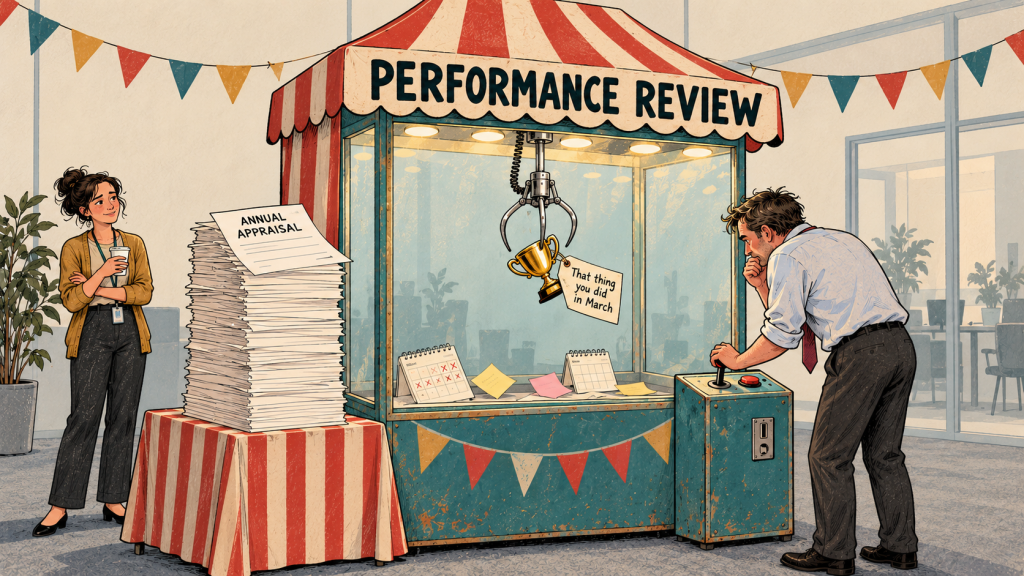
Some university leaders believe AI is free.
Not cheap. Free.
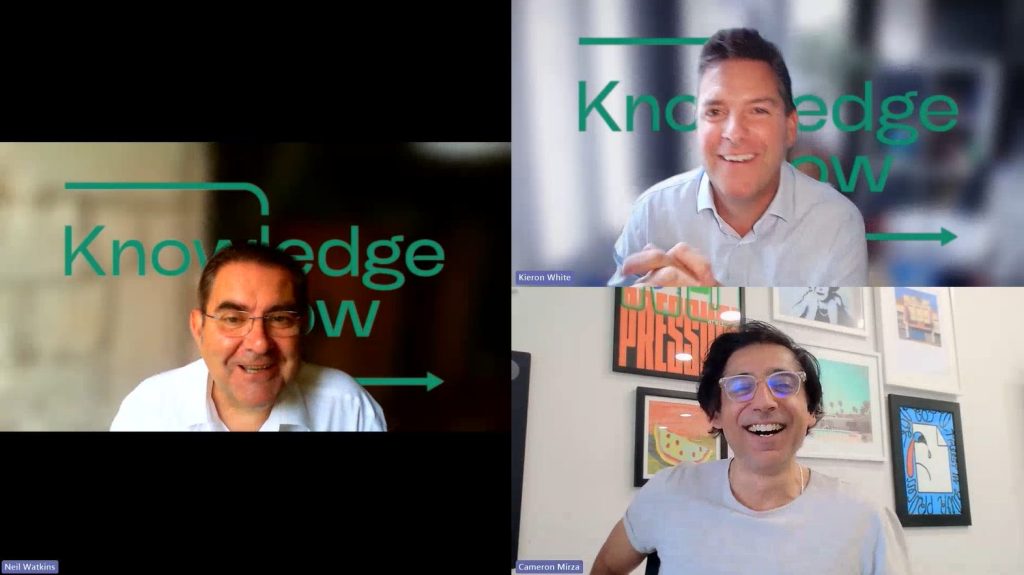
That’s one of the findings from research by our special guest this week — Cameron Mirza, who leads major education projects in Jordan for IREX, the NGO working in over 100 countries, and who has just surveyed university AI readiness across 25 countries. Three-quarters of the respondents came from the Middle East and Africa, a perspective you rarely hear in the UK AI conversation.
The headline numbers deserve a moment:
Only 34% of institutions have a clear AI strategy. Only 39% have approved AI policies. Universities have grand AI ambitions — Cameron hears them in every president’s office, complete with impressive PowerPoints — but ask a simple question like “can you give me an example of how you’ve used it?” and the fundamentals fall away. No strategy. No budget. No staff literacy. And in some cases, a genuine belief that the whole thing costs nothing.
His diagnosis will sound familiar to anyone who’s listened to this podcast: ambition driven by fear of missing out, budgets that don’t match the rhetoric, and a rush to buy tools before anyone has worked out what problem they’re solving.
But the conversation goes much further than the survey. We get into why the Fable ban has made AI sovereignty the topic in every university leadership meeting from Nairobi to Abu Dhabi. Why offline LLMs and low-bandwidth design might matter more for global education equity than any frontier model. The Stanford research showing students achieve far more with a teacher plus AI than with AI alone. And Cameron’s framing of the future of the profession, which Neil announced on air he was stealing: teachers as learning scientists — part educator, part data analyst, part behavioural scientist.
Oh — and the story of how Cameron once collected four months of unpaid salary in cash, in carrier bags he had to fetch from the car, then hid it in suit pockets and under his mattress because the bank wouldn’t take it all at once. You’ll have to listen for the full glory of that one.
We’ve known Cam for over 25 years, since the three of us fought the millennium bug together in Ford and then went on to the Department for Education. This one was a genuine pleasure.
Two mates and an old friend. A bar. And all they want to talk about is AI.
Pull up a stool — we’ll get the beers in. 🍺
#AI #HigherEducation #AIinEducation #AISovereignty #EdTech #InternationalDevelopment #Podcast #AIStrategy #FutureOfWork
TRANSCRIPT
Neil Watkins
Well, if you’re good with that, are we good to go, gentlemen? Should we get this pantomime horse of a podcast under, this six-legged pantomime horse of a podcast underway? Because this week we are very blessed to have with us an old friend. And I say old, what I mean is he’s not very old.
Cameron Mirza
Yeah.
Yeah.
Kieron White
Yeah.
Neil Watkins
but he’s been a friend for a long time. And he’s just reminded me it’s over 25 years, which is absolutely amazing. So.
Kieron White
Okay.
So, Silver Jubilee, that means. I hope you brought a present, Cameron.
Cameron Mirza
Yeah.
Neil Watkins
That’s just your hair colouring, Kieron. That’s just the way your hair colour is going silver. So welcome to Cameron Mirza. For those of you who don’t know, Cameron is a really interesting chap. We met, as he said, over 25 years ago, this time 20 years ago, we were working in the Department for Education, all three of us doing
Cameron Mirza
Okay.
Kieron White
Hi, cheeky, cheeky.
Cameron Mirza
Yes.
Yeah.
Steele.
Mm.
Mm.
Neil Watkins
different programmes and different things. And Cameron now works and lives in the Middle East, and he’s doing some really interesting things with governments, with universities, and most importantly, from our perspective, with AI. So Cameron, very welcome to you. And
Cameron Mirza
No.
Things.
Neil Watkins
Would you, for our audience, if he’s still awake at this point in time, would you just give him a little bit of background on you and what you’re doing and where you find yourself in the world right now?
Kieron White
Ohh.
Cameron Mirza
Well, first of all, Neil and Kieron, it’s great to see you guys. As you said, Neil, we have known each other a long, long time. And it was our 25 year anniversary. I think it was last year. I think we all first met in the year 2000. I think I think that’s where actually when we first met.
Kieron White
Yeah, I think so.
Cameron Mirza
Um, and yeah.
Kieron White
When we were fighting the millennium bug.
Cameron Mirza
That’s right. That’s right. It was, yeah. Y2K. It was, yeah. Yeah, we did. We conquered it. I remember the Y2K project, year 2000, and they were definitely great days. And then obviously we all
Kieron White
Successfully, successfully, we we thought that.
Neil Watkins
We conquered it.
Kieron White
Yes.
Cameron Mirza
then worked at the Department for Education, which was, you know, a really interesting period of time. It was the early 2000s. I think there was a general positivity about the country. I think Blair was Prime Minister at the time and things were really moving, I felt.
I felt that education was a priority. It was really moving. There was significant levels in investment. I think we were privileged, I think, looking back to work on some really cutting edge pieces of work at that time. And I think we did make a difference. I think ultimately, I really feel looking back, actually, perhaps we should be
Neil Watkins
Mmh.
Cameron Mirza
We should feel really proud of some of the work and some of the projects we worked in at the time. I remember London Challenge was a great initiative. I remember some of the stuff we did for youth poverty was really interesting work. I think some of the work we did in terms of digitalizing
Kieron White
Mm.
Cameron Mirza
the department’s data, you know, with our colleague and friend Kevin at the time, who did incredible work with local areas and drilling down into data. And I think that was probably, we were ahead of our time really in terms of data analytics and some of the fantastic work.
And, you know, I obviously had the great pleasure of working with Baroness Louise Casey on a couple of occasions, which was a very, which was a very interesting experience. I can tell, I can tell you, and probably our friend Ashley probably still hasn’t recovered from that experience.
Neil Watkins
Of course, of course.
Kieron White
Ohh yeah.
Yeah.
Neil Watkins
Ha ha.
Kieron White
Hey.
Cameron Mirza
So, no, yeah, it was, it was, yeah, it was, yeah, she is. She still is. She still is a full middle force. So, yeah, I mean, it was amazing. It was an amazing period. And then I think, I do think, I do think, I think it was down to another old colleague of ours. I think at the time it was Janice Shiner.
Kieron White
No, quite a formidable force, she was, wasn’t? No, he is, he is.
Neil Watkins
Still is, still is.
Kieron White
Yeah.
Yeah, yes.
Cameron Mirza
And she, I don’t think she’ll be listening, Kieron, somehow. No, no, I don’t think so.
Kieron White
Hello, Janice, if you’re listening.
And I don’t think so. There are better things to do.
Cameron Mirza
But I do remember she was, I think she was a DG at the time, and I think, I think…
She played an important role in the next phase of my career, really, because I think she was doing some work in Bahrain at the time as an advisor to the government. And I do believe that she put me forward for a job there. So yeah, she did, yeah. And so I remember it was, I think it was about 2011.
Neil Watkins
She did.
Cameron Mirza
And I remember my phone ringing and it was a number, it was an international number, I had no clue where it was from, but I answered it and it was the chap from Bahrain saying, listen, you’ve been recommended and would you be interested to come and work for us in Bahrain? We’re doing
We were kind of re-vamping the higher education sector and looking for somebody to come and help us. And I looked out the window and it was pouring down with rain. And I looked at the weather. I looked at the weather in Bahrain and I thought, yeah. And when I spoke to my good friend who
Kieron White
Haha.
Cameron Mirza
who’ve met many times Pat, who’s a tax expert, and he said, yeah, Bahrain’s A tax-free country. And so my mind was made-up. And so there I went. It’s as simple as that. And but.
Neil Watkins
Matt.
Kieron White
I wasn’t there when you first got there, there was a problem with you getting paid promptly enough, wasn’t there? Do you feel you can share that with our audience? That amuses me that story.
Cameron Mirza
Yeah, yeah, yeah.
I think I can. I think I can. I think, yeah, I think I can share it. So, I mean, I was a bit maybe naivety at the time or, you know, just simply trust really because you’re dealing with the government. So I went I went to Bahrain with one suitcase and I had no clue what I was walking into. I’d never been there before.
Neil Watkins
It’s long enough ago.
Cameron Mirza
And so I kept saying on the Skype at the time, I was saying, well, you know, what about the contract? What about, you know, I must sign a contract. I didn’t even know what I was getting paid, to be honest. And so I went out there with a suitcase and to be fair, the first day I was there, he put the contract in front of me and he said, there you go and got it all signed.
Kieron White
But.
Cameron Mirza
But the bottom line is I didn’t get paid for four months because of their systems. And, you know, moving a contract about requires several stamps on it in those days. In fact, still now the Middle East and many parts of the world still operates on this paper-based system and
Kieron White
But.
Yeah.
Cameron Mirza
Stamping things, and so my contract got shuffled about from department to department, and by the end of, you know, the third month, I had no money left. I was running on fumes, and you know, I’d taken an apartment, had taken a car, and so I just said, “Listen, I’m being paid.
I’ve got no money left and I’ve really got to go back unless you pay me. And my boss, who’s a very dear friend of mine still, said, look, I’ll sort this out today. And I remember being driven to a facility somewhere and I got there and the guy
you know, said, have you got your passport and so on, handed it all over. And he said, OK, have you got a bag? I said, no, I don’t have a bag. So I went back to the car and there were some, you know, carrier bags. I took them in and he basically counted out my almost four months salary in cash. He put it all on the table.
Kieron White
Yeah.
Ha.
Cameron Mirza
But.
So I said to him, what am I supposed to do? Well, I said, what am I supposed to do with this? He said, well, take it to the bank. And I took it to the bank and the bank couldn’t accept it because they said, you know, there’s a threshold for accepting cash payments in a day per person.
Kieron White
I love it. Direct action.
Bish.
Ohh.
Yeah.
Neil Watkins
The.
Kieron White
You have to go each day and put another bit in.
Cameron Mirza
Well, I had to go each day and I had to go back to the apartment and hide the cash inside suit pocket and under the mattress because, you know, where I was living at the time, they’d have a service where a cleaner would come in every day and I thought, well, I can’t leave his cash dying about obviously. So I literally had to hide it.
Neil Watkins
Wow.
But.
Kieron White
Yeah.
Cameron Mirza
Until I have it backed in.
Neil Watkins
Ha ha ha.
Kieron White
Brilliant.
I like it. I love the direct solution. That’s brilliant, isn’t it? This thing’s gone on so long. We’re going to fix it right now. What a great, great attitude.
Cameron Mirza
Yeah, yeah.
Yeah, it was.
Neil Watkins
Yeah, but bring your own carrier bag.
Cameron Mirza
Yeah, that’s right.
Kieron White
Yeah.
Neil Watkins
Put you on cash carrier bag, and what it and tell us, Cameron, what were you doing now? Move on to move on to modern times. What are you doing now?
Kieron White
I love it. Very cool, so I…
Cameron Mirza
Yeah.
Yeah, modern times, modern times. In 2020, it was during COVID actually, IREX, who are an NGO based out of Washington, but you know, working in over 100 countries, and a lot of the work is really based around low and mid.
low, middle income countries. And I think as you said earlier, you know, in one of your podcasts, I think recently about, you know, serving the underserved and a lot of our work is serving the underserved. And in 2020, they had a project which had just started in Jordan, which was
A project around pre-service teacher education, go training up the next generation of teachers.
And I think because of COVID, they couldn’t find anyone to sort of run the project. And so to be honest, they took a bit of a huge punt on me because although I had the kind of educational side of it, I hadn’t worked in development, I’d never worked for an NGO.
I was totally new to the sector.
And I think out of pure desperation, because they didn’t have a plan B, they gave me, they gave me the opportunity. And actually, that’s actually true. They didn’t have a plan B and I was the only option available on the table. So they said, well, we’ll give it, we’ll have to, we’ll have, we’ve got no option.
Kieron White
Yeah.
Yeah.
But.
Okay.
Reluctantly, reluctantly, Mister Merza.
Cameron Mirza
Yeah, right. So, so it was again, it was a case of, I literally came with a suitcase because the, you know, the time the time of COVID, as you remember, borders were shutting, it was almost impossible to get in and out of countries. So, literally, it was a last-ditch effort to get into the country.
Kieron White
Yeah.
Cameron Mirza
And, because of Covid, I couldn’t leave the country for nine months, so it was…
Kieron White
Wow.
Cameron Mirza
So it was a challenging situation at that time, but…
But you know, six over six years later, I’ve just I’ve just come up to my six year mark with with IREX, and you know, we did a we did a pretty good job with that project. And then, you know, in 2023, I was privileged enough to be asked to run a new project that they won, which was really focused on early grades education. And
you know, I was, I really was delighted to accept that, you know, taking on and leading that project. So, yeah, so I’ve run two major projects in Jordan for IREX, and as well as that, I’ve been kind of working with colleagues on leading on AI, which we’ve really focused on in particular over the last
12 months, that’s become a real area of focus for us. But in terms of the work here, we’ve actually been working on AI for a couple of years now because we’ve seen the potential and the opportunities. And so, and so, you know, I feel I feel like we’ve been ahead of the game in some in some aspects in terms of AI.
Kieron White
Yeah. I need to. Yeah, and you’ve been doing research in this area. I know IREX have put out some research, haven’t they, across MENA, or probably wider than that, I imagine, universities particularly. So obviously that’s an area we’re very interested in. AI and education is a big focus for us, and we work with universities.
Cameron Mirza
So that brings us up to today.
Yeah.
Hang on.
Yeah, yeah, yeah.
No.
Kieron White
And I read you had an article in, get this, University World News, the only publication with maybe even less readers than we have listeners.
Cameron Mirza
Yeah.
Mm.
Ben.
But.
Kieron White
That’s probably deeply unfair. It’s probably like, it’s probably massively popular. But it’s just my ignorance that I hadn’t found it before, before looking on this.
Neil Watkins
So rude.
Cameron Mirza
Yeah.
Yeah, yeah, it’s, you know, it’s for those in the know, Kieron, is how I would describe it.
Kieron White
Yeah.
Neil Watkins
Yeah.
Kieron White
Perfect. Well, you said some stats on there that I’d love to explore with you is only 34% of the institutions surveyed have a clear AI strategy, which is really interesting, given it’s an AI survey, presumably, although you can tell us a bit more about it, then to answer and still not.
Cameron Mirza
The.
Yeah.
Yeah.
Yeah.
Me.
Yeah.
Kieron White
have one is interesting. And only 39% had approved AI related policies. So we’re running here, according to the National Education Union’s 2026 survey, we’ve got 40, was it 49%, 48% of schools have AI policy. So still not enough, but getting there.
Cameron Mirza
The.
Yeah.
I.
Yeah.
None.
Kieron White
So that this is a lower than that. And I guess in universities as well, given the kind of the cheating AI for cheating your way through a degree, I guess having a policy is arguably much more important.
Cameron Mirza
Yes.
No.
Yes.
Absolutely. I think what brought us to this work, Kieron, was we work with universities here in Jordan, but you know, we also work with universities around the world. IREX has got affiliations with hundreds of universities and do a lot of work, particularly on the kind of exchanges.
particularly with US universities, where obviously we’ve got a strong presence. And I’ll often speak to presidents of universities and they’ll often tell me about their AI ambitions. They wheel out these really, you know, grand PowerPoint presentations about how they’re
planning to use AI and how they’re using it and then
I would ask some simple questions like, well, can you give me an example of how you’ve leveraged AI? What, you know, do you have, you know, fundamentals really? And we describe them as AI fundamentals in terms of the policies, in terms of the strategy, in terms of the capacity building, in terms of the financing, in terms of the
Kieron White
Yeah.
Cameron Mirza
the digital infrastructure, really just the fundamentals. And me and my colleague, Tom Orrell, we spent a lot of time thinking about this. And, you know, we came to the conclusion about a year ago that universities have got great ambitions. And I think some of that is driven by noise. Some of that is driven by fear of missing out syndrome.
and they feel that they need to be pushing on AI. And I think they’re probably right, they need to be, but really lack the fundamentals of how you go about it. So we really became curious and we designed this kind of survey which reached
25 countries in the end to get feedback on how they’re using AI and some of the kind of key questions that will help us to understand what the current status is of AI. And 75% of our respondents are actually from Middle East and Africa.
Kieron White
Right.
Cameron Mirza
And so, you know, the results that came back are, you know, broadly speaking, yeah, universities have got great ambitions for AI, but lack the AI leadership, lack the strategy, lack the policies, lack the, in many cases, lack the digital infrastructure.
And for us, importantly, lack the AI literacy amongst the faculty and staff to leverage AI. So there are huge gaps in all of this. Finance is a massive issue because, you know, when we go and talk to universities, I mean, we’ve just come back from
Neil Watkins
Hmm.
Cameron Mirza
recently in Nairobi, where we met with 25 universities in Kenya. And obviously, we’ve had a lot of dialogue with universities in the Middle East region. There are universities and vice presidents who believe that AI is free. They do not they do not believe they do not believe that they’re paying for it. So when we have these conversations that, you know, it’s not free,
Kieron White
Yeah.
Neil Watkins
Wow.
Cameron Mirza
they’re a bit taken aback. And they, you know, there isn’t that the financial planning to understand, you know, the price of tokens. I mean, token prices, you’ll know better than me, but they’re going to go up for sure in the next few years. And has that been factored in? Vendor locking as well is another issue that comes up quite often. Cyber security is another area. So
Neil Watkins
Yeah.
Cameron Mirza
There is this there is this kind of area of holistic assessment of institutions to understand where are they in terms of their AI readiness and putting in practical steps to help them get to where they want to go really. So I think
That’s really where we’re at at the moment in terms of that, in terms of that work and and and the data we collected.
Th.
Yeah, mhm.
Yeah, it does.
Yeah.
Yeah.
Kieron White
Actually, when I’m on stage talking about AI in education or indeed other public services, but I get kind of frustrated about because I think now most people, arguably everybody, gets that AI is going to be pretty transformational and, as I always say, it could be made for education, the ability to personalise and…
Cameron Mirza
Yeah.
Kieron White
you know, meet different learning requirements and neurodiverse needs and help a target for those more perhaps underprivileged learners that might need it in a different way. I think everybody’s, I think, gets that. And yet when we’ll talk to an institution over here, they might, they don’t have a budget.
Cameron Mirza
Yes.
Mm.
I mean, I mean.
Kieron White
for AI and they’ll be scrabbling down the back of the settee for 11 pounds, 32 and a bit like you said, they think it’s kind of free. And I find it so frustrating, but I mean, it’s kind of a good third. I mean, nearly a third have a budget. Everybody needs one. Do you see that? I mean, I guess it is changing by definition, but do you?
Cameron Mirza
Thank you.
Yeah.
Mm.
Yeah.
Yeah.
Yeah.
Kieron White
You think if you ask this next year, we’re gonna see 100%?
Cameron Mirza
I don’t, I think we’ll see an improvement, Kieron. I think I think there has to be, I think I think to meet the ambition there has to be budget. It might be it might be disguised under or under the term digital transformation, for example, but but essentially I think I think budgets have got to have got to align with ambition if if they’re going to
Kieron White
The.
Cameron Mirza
create sustainable impact from AI. But, you know, here’s the dilemma. Many institutions, particularly in parts of the world that we work in, have got very limited budgets. And that’s really that is that is really the challenge here. And I think there are many, I mean, I think the universities
Kieron White
Right.
Cameron Mirza
there is this kind of, I feel, a bit of a crisis heading their way. We’ve seen it in the UK with universities looking at merging. We know some universities have been bailed out by government over the last few years. And I think looking at many parts of the world, whilst the demographics, particularly in places like Africa and the Middle East, show
Kieron White
Yeah.
Cameron Mirza
more and more young people entering higher education, I think.
there are different choices available now for young people and that the traditional route of universities, for example, might not be as appealing as it was a few years ago. And there’s a lot of competition. So I think
I think universities face a couple of crisis points. One is how to use AI and I think the other one is actually how to survive. Because I think it’s becoming increasingly competitive out there. Students have got a different way of the world, you know, a different outlook.
Depending on where you are, I mean, you know, I read something recently about the debt in US, the student debt for colleges, something like $1.7 trillion, the debt for students. And at the end of that, you know, you really want a job, don’t you?
Kieron White
All right, wow.
Cameron Mirza
you want, you want to, you really want to find a job that pays you well and, you know, allows you to get on with, get on in life. And I think, so I think priorities are shifting. I think definitely universities have got to look at AI, not just in terms of teaching and learning, but for a lot of the
administrative and back office aspects. How do they recruit students? How do they use AI for really, really personalised recruitment? And, you know, as you guys know better than me, how do you automate a lot of the workflows? How do you become more efficient? And I think those conversations
Kieron White
Yeah.
Yeah.
Cameron Mirza
are going to start to happen sooner rather than later.
Kieron White
Yeah, and they all happening, so there we go.
Neil Watkins
Yeah, I think student debt, student debt in the UK is a massive problem too. And it can’t just be the UK and the US, but you know, certainly here, lots of people are questioning the kind of, should we actually go to university because I’m going to end up with 70 or 80,000 pounds worth of debt and I’m never going to be able to pay it back. So yeah, I think it is a, I think that
Cameron Mirza
Mm.
Neil Watkins
how universities are funded and how they survive is going to be a real challenge in the UK, but I’m assuming that’s the case for other organisations as well. So one of the questions I had for you though, Cam, is because you’re Mr World Traveller these days and you’re off around
Cameron Mirza
Yeah.
Okay.
So, yeah, yeah.
Yeah.
Neil Watkins
I was talking to all these universities. Is there a particular institution or have you seen institutions where they’re using AI well and you think would be a good exemplar for others?
Cameron Mirza
Okay.
Yeah.
Yeah.
There are a couple, actually, that’s a good question. I mean, I think we partner with Florida State University.
And they are they are really embracing AI, you know, from end to end, you know, from from student recruitment all the way in through the teaching and learning to, you know, to to to a great example they gave they gave us recently was how they’re using AI for allowing students to do mock interviews for for jobs.
So they get, you know, which is great, isn’t it? I think, you know, a student would do a mock interview and they get instant feedback on how they did. And I think I think that’s really that’s really clever how they’re using that. Arizona State are using a lot of AI and they’ve got a lot of
Neil Watkins
Mm.
Kieron White
Nice.
Yeah.
Cameron Mirza
courses on AI, but you know, they’re really, they’re really kind of proactive in terms of how they use AI. I think also, I think in the Middle East, there’s in the UAE, Muhammad bin Zayed University for AI. I said there’s a specialised university just for AI.
based in the UAE and they’re doing a lot of cutting edge work and they’re developing their own LLMs in Arabic. So I think what you’re seeing in certain parts of the world is institutions at the forefront of
AI sovereignty. And I think I think certain countries are starting to really move in that direction. And sovereignty is becoming an important part of the conversation now, particularly particularly when when I’m talking to university presidents. So there’s definitely a shift, yeah.
Kieron White
Yeah.
Neil Watkins
And…
Kieron White
Date.
Neil Watkins
Mm.
Kieron White
And I think I mean that whole, when…
And with kind of the restrictions on the anthropics Fable model that was pulled under White House requirements and 5.6, ChatGPT 5.6 was went through a bunch of cheques before they’d let it out. I think that that bit where they pulled Fable, the anthropic model.
from everybody is, I think, was for me a very big moment in understanding quite how dependent we are on the US firms for this stuff and what that could mean should we, I mean, who knows what could happen in the world politics. It seems to change quite frequently, doesn’t it? But I think sovereign
Cameron Mirza
Yeah.
Kieron White
large language models particularly, I think is going to be really required. It’s hard to imagine, isn’t it, that you could have someone just switch up all of your AI capacity, particularly everything internet is now kind of absolutely ubiquitous to running everything from traffic lights to water to hospitals. AI is going to get weaved into all of that pretty rapidly. And the idea that someone could just pull the actual model from under
Cameron Mirza
Absolutely.
Yeah.
Just.
Yeah.
Yep.
Kieron White
beneath you and your services is very concerning. And I think the Middle East has always been quite big on sovereignty. I’ve done a bunch of work with banking through the years and I remember the Middle East is one of the most restricted for saying you cannot let the data out of the Middle East on anything and the regulations here and that stuff.
Cameron Mirza
Yeah, yeah.
Yeah.
Mm.
Yeah.
Absolutely.
Neil Watkins
No, but you can have you can have three carrier bags worth of cash, though.
Cameron Mirza
I.
Kieron White
So, so safe.
Cameron Mirza
Well, I mean, a great example of that, Kieron, when I was at the University of Bahrain, we actually did a deal with AWS and they built a data centre on the campus.
Kieron White
Wow.
Cameron Mirza
Yeah, and it, I mean, I think I think there was a win-win there because they they build it there.
Kieron White
Yeah, hell of a server room.
Cameron Mirza
Yeah, yeah, that’s right. And our students would get jobs with AWS, which was which was a great which was a great win, but you know, but definitely, if you look at Saudi, you know, the investments they’re making in data centres is unbelievable, you know, the level of investments, but you know, the other side of it, which we don’t…
Kieron White
Yeah.
Yeah.
Cameron Mirza
we perhaps we don’t talk about enough is the impact on the environment. The amount of water needed to cool these data centres is just unbelievable. So there are, you know, there is a trade-off to all of this. But yeah, you’re right, you’re right, Neil. Definitely the Middle East is really increasing. So, and also because of the geopolitics.
particularly over the last period, is pushing more and more focus on sovereignty.
Kieron White
Yeah.
Neil Watkins
The geopolitics thing is interesting to me because you’ve talked kind of at the high end of education about universities. Have you seen any examples on your travels where there is the kind of at the lower end? So, you know, in schools or where, you know, education is a real challenge because of schools, electricity, big
Cameron Mirza
Yeah, yeah.
I need, yeah, yeah.
Thanks.
Yeah, yeah, yeah.
Neil Watkins
big classroom sizes, small teacher numbers, you know, people where, countries where, or regions where they’re struggling to deliver basic education. Have you seen AI philtre down to any of that stuff yet, or is it too soon?
Cameron Mirza
Yeah.
Yeah.
No.
Well, I’ve seen some interesting case studies, Neil. I think that the opportunity is for low bandwidth solutions. And I think, you know,
smartphones, wherever you are, you know, smartphones is the obvious option there. And I think the other area which will emerge is offline LLMs. I think will be an opportunity as well. So I do think
Kieron White
Yeah, definitely.
Cameron Mirza
Whilst.
You know, I think fragmentation is a challenge based on where you are, fragmentation of AI usage because of the infrastructure. I think that more and more philanthropic organisations, donors are looking at these kind of solutions, particularly in Africa, where I think there’s a lot of investment going
into Africa, particularly. I think the Gates Foundation, for example, is a great example. But definitely there’ll be a big push on these kind of low bandwidth and offline LLM solutions over the next period. And I think that’s an exciting opportunity. You know, one of the things that has really sort of, you know, bound us over the over 25 years, Neil, has been our
Kieron White
Mhm.
Cameron Mirza
our passion for serving the underserved. And I think that’s really, you know, if we can do that through our work, particularly the work I’m leading on here in Jordan, I think that’d be, you know, that’s legacy work for me, you know, and I think I think we’ve got to, and it’s also helped me focus
our attention on shifting towards more integration of AI in our work. Because I think your point, Kieron, was absolutely right. You know, the cat’s out of the bag, right? It’s flying. And we’ve just got to help countries and help school systems
Kieron White
Yeah.
Cameron Mirza
catch up quickly because the worry I have is the equity gap gets bigger and bigger between those who have and those who do not have. So, you know, that’s really, you know, driving our work on a day-to-day basis.
Kieron White
Exactly, exactly.
Yeah, and as we’ve talked about before on here is the free tools available to people arguably who are less well off are the sort of equivalent of having your sort of 20, 30,000 pound accountant versus your really expensive, some of the really expensive paid for tools, equivalent of having 100, 120,000 pound a year accountant and your
Cameron Mirza
Yeah.
Yeah.
Yeah.
Kieron White
the difference in what you’ll get is massive. And I worry on a more colloquial level, really, AI detection. I think if you’re clever and you have decent models, you can easily evade AI detectors. If you’re not so, you’re going to get caught up in those. So I think there’s a whole bunch of sort of things that
Cameron Mirza
Mm.
And then…
Kieron White
that catch you out. We build knowledge flow. Interestingly, there’s a setting on how many times it will kind of wait and recall on the network. And that’s all about your internet speed and reliability. And we push those quite high on knowledge flow, which does occasionally means you’re delayed longer than you need to be. But it means that if you are living in an area with rural Wi-Fi or you know, you’re dialling up on your phone or whatever,
Cameron Mirza
Mm.
Mmh.
Kieron White
then you’ve got, you can still use the tools and they’ll still work for you. But yeah, who knew? Things like that actually matter. And you know, tiny decisions you make can make a very big difference. And part of the reason I like the idea of sort of sovereign models, universities and institutions creating their own thing is you can make it equitable.
Cameron Mirza
Absolutely.
Mm.
Kieron White
for all of your students and staff, which doesn’t stop people from still obviously dabbling in the more expensive stuff, but at least you’re bringing the bottom up and raising raising the floor, which is, you know, at least doing something.
Cameron Mirza
Absolutely.
Absolutely.
I think that’s a really good point, Kieron. Just on that, I mean, one of the bits of work we’re doing right now is an AI sandbox with a university here. And the reason behind that is we are working with them on using open source tools to curate them.
and to test them in a safe environment, both faculty and students are developing and testing these tools. Because I think what we don’t want them to do is, as we’ve seen often, spend a huge amount of money on buying tools, scaling them up and then getting no traction.
Kieron White
Yeah.
Cameron Mirza
So, I think we are we are taking this kind of more pragmatic approach through through these kind of test beds.
Kieron White
Yeah.
Yeah, good. And adoption is everything. I mean, this is, as we continue to say, as everyone says, but we continue to say, AI implementation is not a technology problem. It is a culture change management, all of our world that we’ve lived in for ages. It’s about getting people on the journey with you. And I, interestingly, my perception from my
Cameron Mirza
Yeah.
Yeah.
Absolutely.
Yeah, yeah.
And.
Kieron White
knockings around with our customers and clients is university staff are some of the most resistant to, you know, they come with a lot of…
Cameron Mirza
100%.
Kieron White
concerns about using AI and I can kind of get it academic discipline and you know, the stuff that they live and breathe is, you know, easy to shortcut, let’s put it that way, and not rigorous or not as rigorous as they would like. But it is a real challenge is to sort of try and win the argument a bit with, well, you know, you don’t need to give it everything.
Cameron Mirza
In.
Okay.
Mmh.
Kieron White
We’re not asking this to be the professor or to do the research, but look what you can enable to take away some of that, you know, the heavy lifting part that frankly isn’t, you know, isn’t really a job for a deep professor researcher. You can you can give that to some AI and then spend your time on the stuff you really want to do.
Cameron Mirza
Right, you’re right.
I think, I think that’s right.
Kieron White
You got to win the argument. Adoption.
Cameron Mirza
I think on the adoption of what we’ve done with the university, you’re absolutely right. The resistance to change is, you know, is incredibly high. The way we’ve approached it is by applied training. So they’re actually not, it’s not theoretical. We’re getting them to use tools, hands on to see the impact very quickly, but also identifying user cases very quickly as well.
Kieron White
Yeah.
Cameron Mirza
And, and, and, and amplifying those user cases, they guess what you can achieve by doing this, and I think that that has helped us break down some of this resistance.
Kieron White
Yeah.
Yeah, good, good stuff.
Neil Watkins
I think if you look at our biggest users, the most successful ones are the ones where they’ve been very proactive and they’ve had people driving both the training but also the comms and the messaging and it’s had support from the top down. It does need a lot of effort in order to make those things, to make those things successful and actually people underestimate the
Cameron Mirza
Mhm.
Read.
Neil Watkins
the amount of effort required. And you probably know this already, but Kieron and I go to the Gartner conference, which we jokingly call the Glastonbury of AI. And when they started going on this year about change management, it’s all about change management, we were a bit disappointed. It’s like, well, we kind of knew that. So it’s always been about change management.
Cameron Mirza
And.
Yeah.
Yeah, yeah, yeah.
Kieron White
Yeah, interesting.
Cameron Mirza
Yeah.
Neil Watkins
Or project management, as Kieron would say, because he thinks change management is just better, better, bigger project management. So, so yeah, that that is a real that is a real challenge, getting that getting that piece right, and it does need it does need both top down, but also a lot of training and effort to make people to make people change. But if they can’t find if you can’t find a way to.
Cameron Mirza
And.
Kieron White
White right, this.
Cameron Mirza
The.
Neil Watkins
to inject AI sensibly into their workflow, they’ll just carry on with doing whatever they’ve always done. That’s the case. I had another sort of question for, sorry, were you going to say something Kieron? I interrupted.
Kieron White
Yeah.
Yep.
Cameron Mirza
Okay.
Kieron White
No, so I was going to do you carry on? I’ve got one afterwards.
Cameron Mirza
Okay.
Neil Watkins
I was going to say, Cam, if we do this, if we do this conversation in a year’s time, what predictions or what changes do you think you’ll have seen in a year in the work that you’re doing?
Cameron Mirza
Thank you.
Yeah.
I think that’s a really good question. I would say that
the workforce, the teachers and the faculty would be using AI in a far more considered ethical and a value added way. So I think
I think the environment would be more, would help them to use tools in a way that will enhance learning and support students in a positive way. Because I think the big, the gap is with tools are all around us in education.
but there was very little evidence or perhaps some emerging evidence, but it’s limited on impact on student learning. And I think that’s where we want to get to. I think if we’re able to demonstrate that there is a positive impact on student learning, I think that would be a huge game changer. And I think
Kieron White
Yeah.
Cameron Mirza
I think we’re shifting away. I’ve noticed a shift in the last maybe six months. I think the emphasis was all about tools, you know, all the new tools were out and it’s, you know, you know, all the new tools and it was all very sexy, but now reality has hit home.
And I think we are hearing more conversations about some of the more practical, if a bit boring topics about, you know, the financing, the capacity building, the policies, the strategy. And I think I feel quite positive because I think these are the right conversations to be having.
rather than let’s just, you know, blow our budgets on some tools that are being sold to us. And I think being more considered, I’m really pushing for institutions to take a pragmatic approach by testing, getting those user cases, then scaling them up.
Kieron White
Yeah.
Cameron Mirza
pushing, pushing more for, you know, greater sovereignty, particularly around around data and around tools. So I think I think these are the I think the conversation will be more around.
Impact.
Kieron White
Yeah, and I completely agree with you. I think that is the bit that’s missing still. And the part of the education, the big problem, as we all know, always is that it takes a long time to measure the impact of any intervention in education. Because how long do you give people to in teaching classrooms? You’ve got to train the teachers, then the teachers deliver it, and then you’ve got to give it some time to sit.
Cameron Mirza
Yeah.
Mm.
It does.
Yeah, yeah, yeah.
Kieron White
soak, so you’re probably a year or two after the fact before you can really see whether it’s made a difference. But I think that is absolutely the argument. I hope we’re going to see teacher retention improve. I mean, that tends to happen with economics as well. So it’s like most social sciences, it’s not as straightforward, the AI did the difference, but
Cameron Mirza
Mm.
Yeah.
No.
Yes.
Mm.
Yeah.
Kieron White
and a whole bunch of that. And if we can do that and keep the best teachers teaching and doing the stuff they came to because they love, then that is true of social workers, it’s true of housing officers, it’s true of teachers and I’d love to do more of it.
Cameron Mirza
Yeah, yeah.
Yeah.
Absolutely. I think I think just on that, just a last point on that, you know, I think I think also doubling down on teacher quality is going to be a key part of this because there is this kind of notion of perhaps we don’t need teachers anymore because AI can do all the tutoring and you can have your own AI.
Kieron White
Do you?
Mm.
Cameron Mirza
assistant, you know, helping you. But what we’ve seen, there’s a really interesting research piece just come out from Stanford, which shows or magnifies the impact of having a teacher as part of this process, right? Because if you leave a student just with an AI tool and measure that against
Kieron White
Yeah.
Cameron Mirza
a student working with an AI tool and a teacher, the level of learning and level of attainment is far higher with a teacher involved in the whole process. And I think that’s, you know, and I do think that teachers’ role, and I described it in the past, is actually more of a learning scientist.
Kieron White
Yeah.
Cameron Mirza
now than ever before. You’ve got to understand data, you’ve got to understand the technology, you’ve got to understand behavioural science. It’s really, really, you know, far more complex and nuanced than it’s ever been before. And I think the future of teaching is actually about the learning scientist.
Kieron White
Nice, yeah.
Nice, that’s really good. I love it. We should, that’s a great, the learning scientists as teachers, there’s a title for all.
Neil Watkins
I’ve already written it down. We’re stealing that. We’re having that, Cam. Thanks very much. That was the price of admission.
Kieron White
There you go, like it.
Cameron Mirza
Not bad.
Kieron White
So my final question, Cameron, is who’s going to win the Football World Cup? So we are on to a semi-final today as we record this. This podcast is going to go out after. So after we’ll know the results. So over to you for your predictions.
Cameron Mirza
Yep.
Okay.
Yeah, yeah, yeah.
Yeah.
Well, my prediction is that England will win the World Cup beating Spain.
Are on penalties.
I think it’s going to go to the penalties and we’ll win the World Cup beating Spain on penalties. And so that’s my, I mean, I think, I think we’re getting to a point now that it’s now or never. I mean, my ambition is to see England win the World Cup in our lifetime. And none of us are getting any younger, Kieron. So
Kieron White
Nice.
Yeah.
Yeah.
Cameron Mirza
We’ve seen England win the Rugby World Cup, which I know is important, which is, you know, which is really, you know, the sport that you follow in particular, and we’ve seen that happen. But the World Cup in football is really, you know, the dream for, yeah, it would be nice, yeah, it would be nice.
Kieron White
We have.
Yeah.
Would be nice.
It would be nice. Well, I hope that you’re correct. I hope that you’re correct in your prediction of it.
Cameron Mirza
Hopefully.
Me too.
And so, and that would lead to that would lead to a bank holiday as well. So, I think I think it’s about, yeah, yeah.
Kieron White
Fabulous.
Apparently so.
Neil Watkins
Yeah, well, I’ll be going down the bank with my carrier bags and saying, Cam says you should fill these up for me. So…
Kieron White
Ohh.
Neil Watkins
Cool, Cam, we’ve asked you loads of questions. Have you got any questions for us before we part our company for today? Have you got anything on your mind that we can help with from your end?
Cameron Mirza
Definitely, yeah, yeah.
Well, I mean, look, it’d be great to know about some of the great work that you’re doing in particularly the tertiary education sector. I know you do a lot of work with FE and I think I think FE is an incredibly underserved part of the education system. I think I do, you know, one of the interesting things about AI is that, you know, the reports around
how many graduate jobs that will replace is actually quite interesting because I think try and replace a welder or, you know, or, you know, an electrician, I think it’s harder to do. And I think that vocational education has got a huge role to play. So what are your reflections in terms of the work that you’re doing so far?
Kieron White
Yeah.
Cameron Mirza
with FE colleges and universities, you know, what are the key learnings that you can share with me?
Kieron White
Yeah, good stuff. I mean, I think the, I guess, at a high level.
trying to build the tools that really make an impact. So there’s a kind of, we do a bunch of hackathons with FE colleges where that’s where we’ll get a bunch of teams and do, you know, work through where their biggest challenges are and sort of pick the things that AI can help with and then build the tools for them sometimes there and then.
Cameron Mirza
Mhm.
Pardon me.
Kieron White
one of the challenges is picking the right things, because what one person or even one team’s frustration may not be the thing that turns the dial. And for colleges, particularly, you know, obviously learner outcomes, number one thing they care about, and that means achieving and enrichment activities.
Cameron Mirza
Yeah.
Yeah.
Okay.
Kieron White
and employment kind of opportunities so that learners leave like that, then alongside that is winning more learners and you know that kind of recruitment, making all of that part easier, which is a place where AI can really play a big part because the whole enrollment process in that world is really challenging.
Cameron Mirza
And then, yeah.
Yeah.
Yes.
Yeah.
Kieron White
So I think the kind of at the highest level, it’s picking the right things to work on. The things we are working on is the regulated Ofsted style. You know, Ofsted can inspect a college here anytime, as you know, and the colleges care about that stuff. And in theory, you’d hope that what Ofsted are looking for is the same stuff that will make learner outcomes.
Cameron Mirza
Mm.
No.
Kieron White
Amazing, you hope. It’s probably about as good as anything you’ve got to go on. So we’ve got tools which help to diagnose challenges, identify missing data so that you can go and gather that ahead of time and importantly give suggested strategies for the things that you’re struggling with.
using a whole bunch of best practises from Ofsted reports from the EEF. We help create what the AI does, so signals here are two or three known strategies that will help fix that particular challenge for you to go and think about. So yeah, those are the kind of, those are the big areas. The latest thing we’re working on right now is timetabling.
Cameron Mirza
Cook.
Kieron White
which in tertiary and university is a really complicated picture. I’m told schools is relatively straightforward because I think because all your teachers are there all the time and all your students are there all the time. And therefore, it’s really about which classroom are they in and what order you do it in. Whereas for colleges, you’ve got session and unis, you’ve got sessional staff, you’ve got
Cameron Mirza
Mm-hmm.
Mm.
Kieron White
students that will be part time that will be coming and going. So there’s and then room more specialist rooms, generally, you know, laboratories and hairdressing and public services and healthcare and all of these kind of rooms that you’ve got to try and match as well. So that’s a really interesting challenge. And
Cameron Mirza
Yeah.
Yeah.
Yes.
Yeah.
Kieron White
taking us into a space, which I’m quite excited about. We talked about it last week on the podcast briefly, is LLMs with more traditional algorithmic kind of machine learning style algorithm work. So you effectively get the LLM to help you work out what is the algorithm that you need to be running. And there’s some stuff then that helps run it. And then the LLM kind of picks up and cheques the rules of being met and then does that.
Cameron Mirza
Yes.
And that’s it.
Yeah.
Hey.
Kieron White
So I’ve kind of rambled around that answer, but I think the key is what’s going to make the difference. And yeah, in colleges, I think it is about more quickly identifying what’s going wrong and suggesting intervention strategies or indeed just kind of encouraging the intervention strategies you’re already planning and, you know, giving you the data to show you where they’re working, where they’re not, etc.
Cameron Mirza
Yeah.
Yeah.
It’s true.
Kieron White
So it’s quality improvement, really.
Cameron Mirza
Do you foresee yourself doing a lot more work in curriculum? Because one of the challenges that institutions always face is how do they update curriculum with labour market intelligence, with all the other information that sits around? And I do think AI has got
Kieron White
Yeah.
Cameron Mirza
A massive, massive role to play in terms of, yeah.
Kieron White
Definitely.
We do that with…
So for universities, we’ve got some tools and colleges have it available to them as well on labour market information and government skills strategies and they’ve got the Federation of Small Business kind of stuff and employer, all kinds of what are the skills and they can be by an area or nationally or whatever. So that part we’ve built with one of the universities, a validation assistant
Cameron Mirza
Mm.
Yeah.
Thanks.
I.
Kieron White
which is a way of you saying, right, here’s my current programme and I need to put it through revalidation. And that involves looking at all the skills and checking those. It includes looking at subject benchmark statements and ensuring we’re meeting those and obviously then updating wherever’s needed. So we’ve got AI that does exactly that.
Cameron Mirza
Yeah.
Mm.
Kieron White
It knows their validation process, so it knows what they want to cover, but it also has, it’s trained on our retrieval index is all of those, is 104 different documents, in fact, in that particular one. So it can go and find instantly the subject benchmark statements for marketing with whatever, and it can tell you what the labour market information says about the skills requirements.
Cameron Mirza
Right, right, right.
Just.
Yeah.
Yeah.
Yeah.
Kieron White
what the government strategy is so that you can build all that in immediately. The aim being, that’s all, you know, a lot of that’s admin. In my, well, it is, you want the programme lead in that, okay, so you want them thinking about how do I innovate in this and how do I make it exciting and how do I bring in, you know, which teachers or tutors, lecturers can I be using here and
Cameron Mirza
Mm.
Yeah.
Kieron White
You don’t want them necessarily reading through loads of subject benchmark statements to be able to tick some boxes to say, yeah, it does that and it does this. So let the AI do that and free yourself for the interesting work, I would argue, about, you know, thinking about that course design overall to make it exciting for people.
Cameron Mirza
Mhm.
Fantastic. Yeah, really, really, really interesting.
Kieron White
Oh no. Oh no.
Neil Watkins
It tracks over 2 million annual unique visitors and has 50,000 subscribers to its weekly global e-paper, according to Google. So I think it’s a much more august journalistic enterprise than this one. So yeah, we should definitely give them a plug, see if we get out.
Cameron Mirza
Ohh, wow.
Wow.
Kieron White
Ha.
Cameron Mirza
You, you.
Neil Watkins
See if we get our numbers up, Kieron.
Cameron Mirza
You can, you can expect a lawsuit from the University World News, Kieron, after after after.
Neil Watkins
To be honest, Cam, they’re not the only ones we’re expecting lawsuits from, so that’s fine. They can go to the back of the queue.
Kieron White
Brilliant.
Maybe, maybe, maybe we’ll edit that out there, mate. We can edit out that piece.
Neil Watkins
Haha.
Cameron Mirza
They did it, they do a weekly like release and they did it the other week. And the incredible thing, in the same article, they talked about my article and they did an article on the Pope and it was in the same piece. Yeah, yeah.
Neil Watkins
Uh.
Kieron White
Well, maybe this is your future, Cameron. Who knows?
Neil Watkins
That’s right. Who knew that you had you would have so much so much influence these days, Cam? Think back to go back. If I go back 25 years when you were a young, good looking, still are good looking, still are young, young man making his way in the world, you’ve risen to incredible heights. And I just wanted to say congratulations to you. Long may your rise continue.
Cameron Mirza
Incredible, incredible.
Yeah.
**** you.
Yeah.
Ohh, very fun.
Neil Watkins
And I understand you might actually be in London next week, so we should definitely try and do a proper bar thing and get together.
Cameron Mirza
Yeah.
Yeah.
Yeah.
It would be fantastic to see you gents. It’s always a pleasure. And can I just say that knowing you, having you, having knowing you both for 25 years and the role that you’ve played in my life is never forgotten. And I hope we’ll be friends for another 25 years.
Neil Watkins
I will happily drink to that. Gentlemen, it’s been emotional. Thanks very much. Have great days both and I will speak to you both soon, I hope.
Cameron Mirza
Yeah.
Kieron White
Me too.
Cameron Mirza
Thank you.
Kieron White
Cheers. See ya. Nice to see you. Bye.
Neil Watkins
Cheers, guys. Thanks a lot. Bye.