Julia Yong‘s excellent post on AI technology was fascinating. A welcome reminder that AI can be a force for good, not just a source of existential dread.
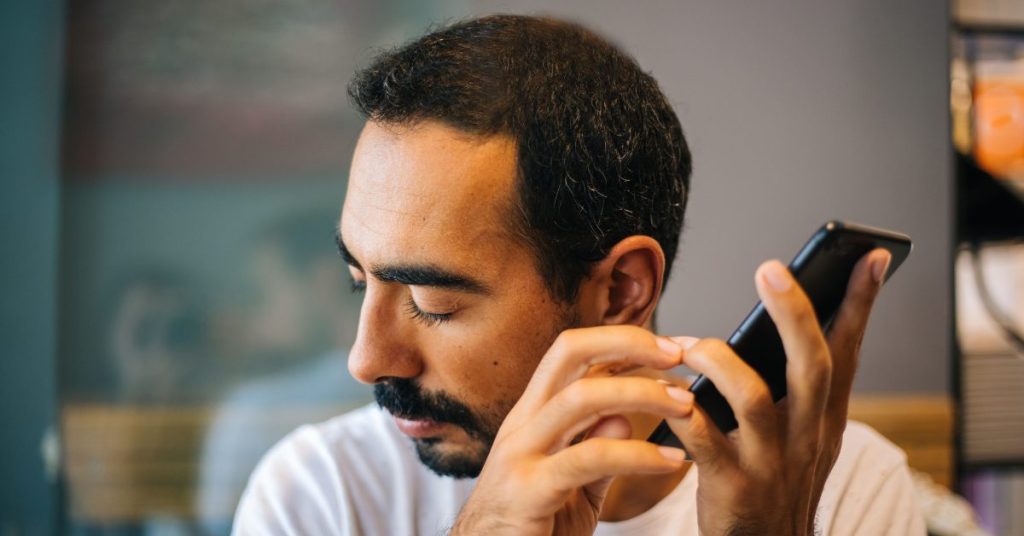
The positive impact that AI can make for blind people is brilliant, even if there is more to do. The Chris McCausland/OU documentary “Seeing into the future” is the perfect antidote to AI scaremongering. It’s a celebration of what’s possible when technology meets empathy.
On the accessibility front, Nate B. Jones‘s Substack piece stands out. Not only did he create an AI prompt pack to support accessibility work, he also champions the idea that platforms themselves bear the responsibility to build accessibility in from the ground up, and to check for it before shipping code.
But the real highlight of Nate’s post was the interview with Elsa Sjunneson Jones. Elsa is candid, forthright, and down-to-earth. Elsa is deaf-blind and a self-titled “Disability Activist”. She’s spent 16 years at the intersection of advocacy and technology, running experiments on AI systems before most of us had even heard of ChatGPT.
Elsa’s insight is vital for AI platform builders. If your training data doesn’t include people with disabilities, your model simply can’t reason about them.
It’s literally a blind spot for AI. Consider this: an estimated 1.3 billion people worldwide (about 16% of the global population) live with disabilities. In the UK, it’s roughly 16.8 million, or one in four. That’s a colossal number of people at risk of being overlooked.
Elsa’s book “Being Seen: One Deafblind Woman’s Fight to End Ableism” is a powerful blend of memoir and media criticism, exposing how representation, or the lack thereof, shapes everyday exclusion. Her next book, Dear Blind Lady, arrives in autumn 2026. I can’t wait.
If AI is to fulfil its promise, let’s make sure AI sees all of us.