
Why the Future of White-Collar Work Is More Cyborg, Less Sci-Fi Dystopia
There’s a lot of noise in the business world about artificial intelligence sweeping through businesses like a digital hurricane, threatening to leave swathes of office professionals redundant in its wake. The reality, however, is both more subtle and more optimistic.
The story of technology and work has never been a simple matter of “out with the old, in with the new.” Each wave of innovation, from the typewriter to the spreadsheet, has rewritten the script for office life, not by erasing jobs, but by shifting the spotlight. The arrival of AI is no different. Rather than replacing people, it’s reshaping the roles they play and amplifying the value they bring.
The Rise of the Cyborg Professional
Think of the AI-enabled office not as a set from a dystopian film, but more like a well-rehearsed duet. AI excels at what it does best: crunching data, automating repetitive tasks, and surfacing insights at speed. Humans, meanwhile, remain unrivalled in judgement, creativity, and navigating the messy, ambiguous world of real decisions. That will no change in the near future.
The most promising workplaces of the future aren’t those where machines have taken over, but where people and AI collaborate seamlessly. Here, professionals are freed from the mundane, allowing them to focus on what truly matters: building relationships, solving complex problems, and steering organisations with empathy and vision.
From Threat to Thriving
There’s a temptation to see every technological leap as a threat to job security. But history tells us a different story. When computers first entered the workplace, they didn’t spell the end for office workers; instead, they created new opportunities, new industries, and new kinds of expertise. AI is following this well-trodden path.
Already, we’re seeing new roles emerge. People who guide AI implementation, specialists who ensure data is used ethically, and professionals who bridge the gap between technical capabilities and business needs. The demand for uniquely human skills such as judgement, creativity, and adaptability has never been higher.
Embracing the Shift
For organisations, the challenge isn’t to resist AI, but to harness it thoughtfully. Success lies in creating an environment where technology and talent enhance each other. That means investing in upskilling, encouraging curiosity, and fostering a culture where experimentation is valued.
For individuals, it’s an opportunity to reimagine their roles, not as cogs in a machine, but as architects of value, working alongside intelligent tools. The future belongs to those who see AI not as a rival, but as a powerful ally.
Conclusion: Human Ingenuity, Amplified
At Leading AI, we believe the most exciting workplaces of tomorrow, and the ones that attract the best talent, will be those where people and machines work hand-in-hand. Where AI empowers professionals to do what they do best, and where human ingenuity is not just preserved, but amplified.
The office of the future isn’t a robot takeover. It’s a partnership. One where the best of both worlds come together to create something greater than the sum of its parts. That’s why AI will enhance, not replace, office jobs.

Latest posts

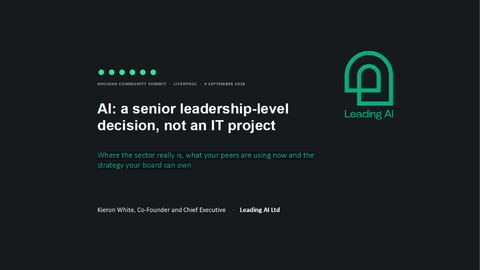
Free webinar – AI in Housing is a senior leadership decision, not an IT project
Events